
One Community. One Vision. All In.
OUR MISSION
We invest in Maasai girls in Laikipia, Kenya — from secondary school through university and beyond — building a generation of educated Maasai women who lead their communities and transform what's possible for their daughters.
OUR VISION
A generation of Maasai women leading economic, educational, and cultural change — in their families, their communities, and their country.
THE PROBLEM
For a Maasai girl, the path is set by 15
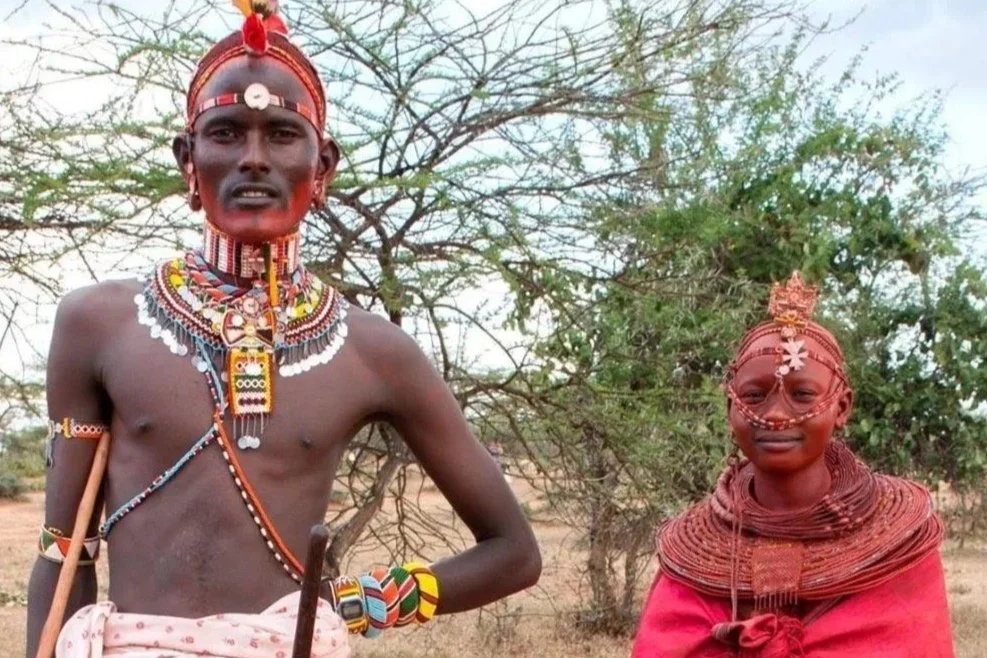
15 years old - The traditional age of marriage for a Maasai girl.
She is often "reserved" as a bride at birth, ends formal schooling around age 12, and is given to her husband's family at the start of adolescence.
This isn't only a Maasai problem — it's a global one. Across sub-Saharan Africa today, more than 125 million women alive were married before the age of 18, and 87 percent of married adolescent girls aged 15-17 are no longer in school.
The most consistent finding in two decades of research is also the simplest: the single most effective intervention against child marriage is keeping girls in secondary school. A landmark study in Niger found that scholarship programs combining education with practical support reduced child marriage by 49 percent.
——
Statistics from Accelerating Efforts to End Child Marriage, Columbia SIPA Institute of Global Politics Women's Initiative, 2025. The Niger study was conducted by the Abdul Latif Jameel Poverty Action Lab (J-PAL).
OUR NORTH STAR
Educated women change communities.
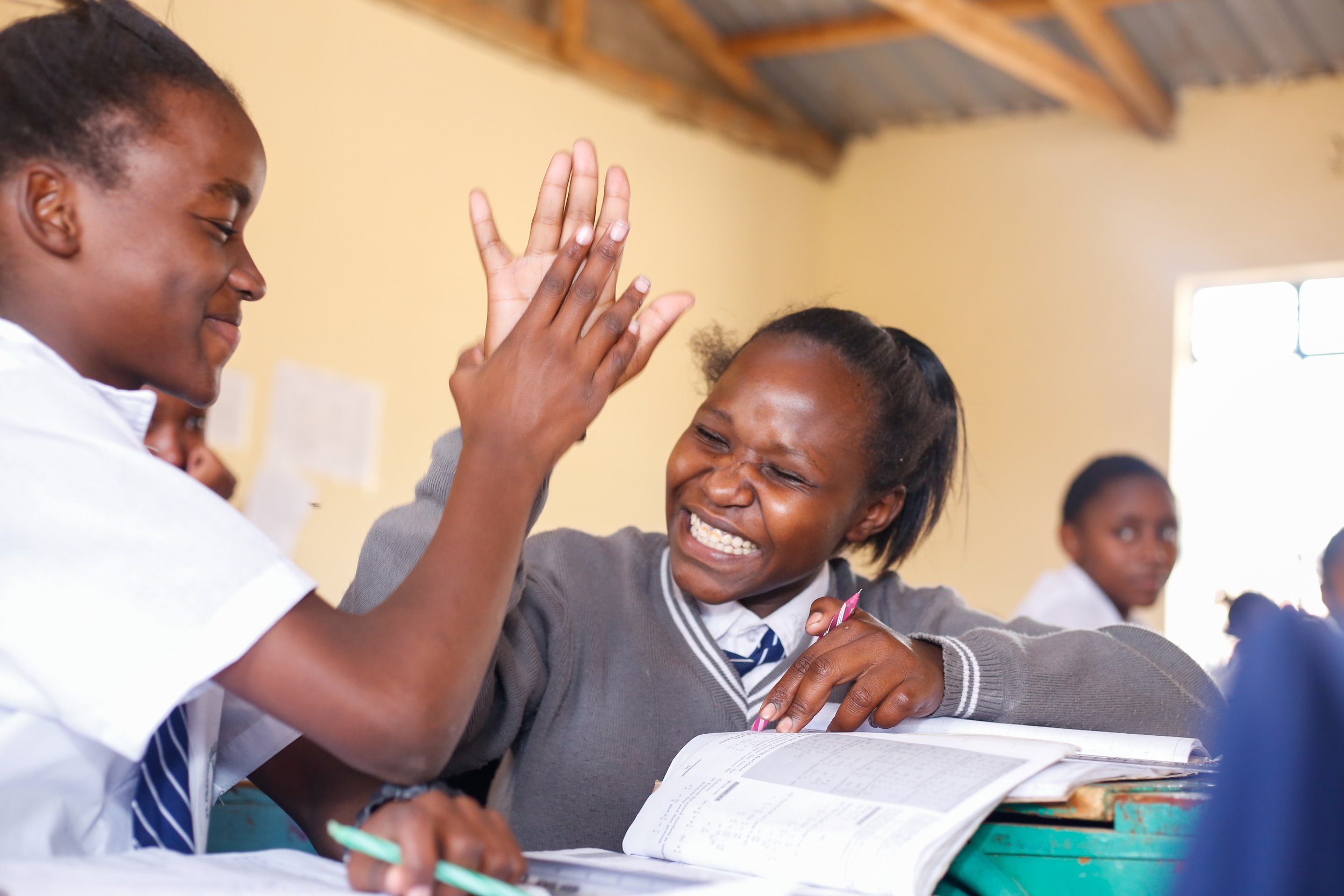
That's not a slogan — it's the most consistent finding in development economics.
When a girl finishes high school, her own life changes. When she finishes university and stays connected to her community, the community changes.
AMGP exists because Maasai girls in Laikipia have been historically excluded from both institutions.
WHY MAASAI GIRLS
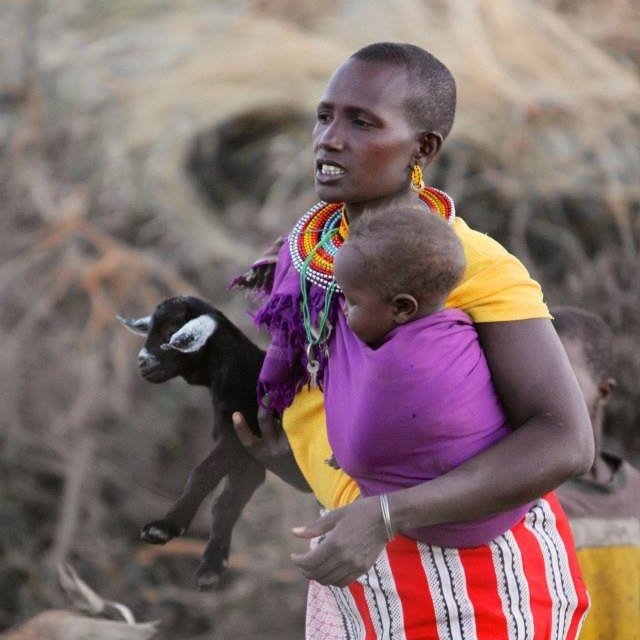
National policies don't reach Kenya’s pastoral communities.
12 years old
Schooling typically ends at primary.
For most Maasai girls, education stops at age 12 — the end of primary school. Secondary school requires boarding, and in pastoral communities, boarding fees are out of reach for most families.
FGM
Marriage is bound to female circumcision.
Female genital mutilation remains widespread in Maasai communities and is closely tied to the marriage system. Without the support to refuse and an alternative path, both practices continue together, generation to generation.
∞
The dowry turns daughters into wealth.
In traditional Maasai culture, a girl's marriage brings her family livestock and other dowry. Educating her instead means foregoing that wealth — a tradeoff most families cannot afford to make alone.
ONE
One generation can break the cycle.
An educated Maasai woman who returns to her community as a teacher, nurse, or leader changes what her village believes a Maasai girl can become. We've seen it happen.