
How to Prepare for Your Trip
Kenya for Thanksgiving | November 22–28, 2026
Your Kenya eTA (Entry Permit)
Most visitors need an eTA to enter Kenya. It replaced the tourist visa.
This includes travelers from the US, Canada, the UK, Europe, Japan and Australia. Citizens of most African countries don't need one.
New since October 6, 2026: Kenya now requires travel insurance for all foreign visitors. It's built into the eTA application: you pay the eTA fee plus a US$44 insurance charge as part of the same application.
Already approved before October 6? Travelers have reportedly entered without it, but we advise you to get the insurance regardless.
☐ Apply online at etakenya.go.ke by November 1
☐ Pay the eTA fee plus the US$44 insurance (about US$80 total)
☐ Print your approval and save a copy on your phone
Have these ready
☐ A passport valid until at least late May 2027
☐ A photo or selfie
☐ Your flight details
☐ Your booking letter from Bucket List Adventures, emailed to you by trips@bucketlist.co.ke. Can't find yours? Let us know and we'll resend it.
Tip: Only use etakenya.go.ke. Other websites charge extra.
→ See the trip itinerary and details
Your To-Do List
☐ Apply for your eTA at etakenya.go.ke by November 1. Kenya's new required travel insurance (US$44) is paid in the same application, about US$80 total
☐ Check your passport is valid until at least late May 2027
☐ Get your own travel insurance (strongly recommended)
☐ Tell us about any dietary needs or allergies
☐ Finish your $350 fundraising for an Amazing Girl
☐ Tell your bank you're traveling
Donations for the Amazing Girls
We encourage you to bring donations! There are 65 girls and fewer of us, so small items are much appreciated. Used items are great!
☐ Running socks
☐ Running shoes
☐ Clothes
☐ Running clothes
☐ School supplies
Please give your donations to us, and we'll hold a raffle so it's fair for every girl.
Travel Insurance
Kenya now requires travel insurance for entry (since October 6, 2026). It is paid as part of your eTA application: US$44, about US$80 total with the eTA fee. It's still being clarified whether insurance bought elsewhere counts, so please buy it through the eTA application for now.
Separately, we strongly recommend your own travel insurance that covers medical care, emergency evacuation, trip cancellation and lost baggage. Please email your policy details to info@amazinggirls.org.
Much of our trip is hours from a major hospital, so we also recommend adding AMREF Flying Doctors’ Maisha Tourist Plus (Tourist Bronze Plus, about US$35, covers our whole Kenya itinerary). It pays for emergency air and ground evacuation to a hospital in Nairobi. Buy it before you leave at subscription.flydoc.org, and save their 24-hour line: +254 20 699 2299.
Maisha is in addition to your travel insurance, not a replacement. It doesn’t cover everyday medical bills, trip cancellation or lost luggage.
What to Pack
Clothing
The whole trip is casual, so leave anything fancy at home. It can get very hot under the Kenyan sun during the day and cool in the evenings, with heavy rain showers possible. So bring clothes you can layer and be comfortable in. Everything from shorts, skirts and dresses to pants, leggings and sweaters is great!
☐ A puffy jacket, sweater and scarf. We're at about 2,000 m (6,500 ft), so evenings are cold.
☐ A rain jacket. November is the "short rains" season, with some heavy afternoon showers.
☐ Extra t-shirts and shorts or pants. Dust and mud get everywhere, especially after rain, and a fresh change helps you feel clean.
☐ Good walking boots or sneakers, already broken in
☐ Sandals
☐ Shower shoes or flip-flops for showering in the bush
☐ A hat and sunglasses
☐ A bathing suit
Gear
☐ A headlamp and extra batteries. The village and camps are very dark at night.
☐ A power bank. Charging is limited.
☐ Binoculars and a camera with a zoom
☐ A UK-style (Type G) plug adapter
☐ A refillable water bottle
☐ A small daypack
☐ A book to read
☐ Any "roadtrip snacks" you can't live without
Health and comfort
Vaccines: No vaccinations are required to enter Kenya. The one exception: bring a yellow fever certificate if you're arriving from, or spending 12+ hours in transit through, a country with yellow fever risk (such as Uganda or Ethiopia).
☐ Your medicines, packed in your carry-on
☐ Sunscreen and lip balm (the sun is strong on the equator)
☐ Insect repellent
☐ Wet wipes, hand sanitizer and tissues (it can get dusty)
☐ Motion-sickness tablets if you need them (drives are long and bumpy)
☐ A buff or bandana for dust
☐ Rehydration sachets
☐ Anti-diarrhea tablets (such as Imodium)
☐ An antihistamine
☐ Eye drops. The dust is relentless.
☐ Blister plasters
Nights at Twala
☐ Warm layers to sleep in. Nights drop to about 50–57°F.
☐ Earplugs and an eye mask. The bush is noisy at night.
☐ Ziplock bags, to keep dust off your electronics and separate damp clothes
☐ A small padlock for your bag
Luggage
☐ Any bag works, but soft duffel bags are easier to pack into the safari vehicle
☐ No plastic shopping bags (they're banned in Kenya)
☐ Maasai Mara extension only: flights allow 15 kg (33 lb) per person, including carry-on, in a soft bag
Money and Phone
☐ Get Kenyan shillings from an ATM when you arrive
☐ At the ATM, choose "Decline conversion" or "Charge in KES"
☐ Bring cash for tips (US dollars or shillings). Tips aren't included in the trip price.
☐ Bring Kenyan shillings for crafts
☐ Bring cash or a card for snacks and drinks at the grocery store before we head to the village
☐ Check your phone plan for Kenya. Signal is patchy in the bush.
☐ If your phone is unlocked, buy a Safaricom SIM at the airport or in Nairobi. It has the best rural coverage, and a 10–20 GB data bundle costs about US$10–15.
☐ If your phone is locked, buy a Kenya eSIM before you leave (Airalo and Holafly both work), or turn on your carrier’s international plan.
☐ Download offline maps, and anything you want to read or listen to, before we leave Nairobi.
Food
Bring a sense of adventure! Meals will be traditional Kenyan fare, such as:
● Nyama choma (grilled meat). The Maasai traditionally eat goat, chicken and beef, with goat and lamb being their favorite!
● Ugali (a firm maize porridge)
● Sukuma wiki (sautéed greens)
● Chapati (flatbread) and pilau (spiced rice)
● Chai (sweet milk tea)
Vegetarian options will be available, and please tell us about any dietary needs or allergies.
On Safari
☐ Stay in the vehicle unless your guide says otherwise
☐ Keep your voice low near animals
☐ Be ready for early starts. Dawn has the best sightings.
☐ Keep your room or tent zipped and never leave food out. Monkeys will grab it!
☐ Hyenas come around at night, so don't walk around camp alone after dark. Ask staff to walk you to your room.
What to Leave at Home
● Camouflage clothing. In Kenya it’s reserved for the military, and civilians can be fined for wearing it.
● Expensive jewelry.
● Hairdryers and other high-wattage appliances. Power in the bush is limited.
● Strong perfume on safari days. It attracts insects.
More Questions?
What will the weather be like?
November is the start of the short rains: warm, sunny days, with occasional heavy afternoon showers. Days are around 75–82°F, and nights in the highlands drop to about 50–57°F, so bring warm layers. Showers usually come in the afternoon and pass within an hour.
How much should I tip?
Tips aren't included, and US dollars or Kenyan shillings are both fine. As a guide:
● Driver/guide: about US$10–15 per person, per day
● Lodge and camp staff: about US$5–10 per person, per day (in the staff tip box)
Is Kenya safe?
Kenya is generally safe for tourists, and you'll be with professional guides and drivers. As anywhere, don't wear expensive jewelry and keep an eye on your belongings. Keep your money and passport tucked away somewhere secure and out of sight, so there isn't a temptation.
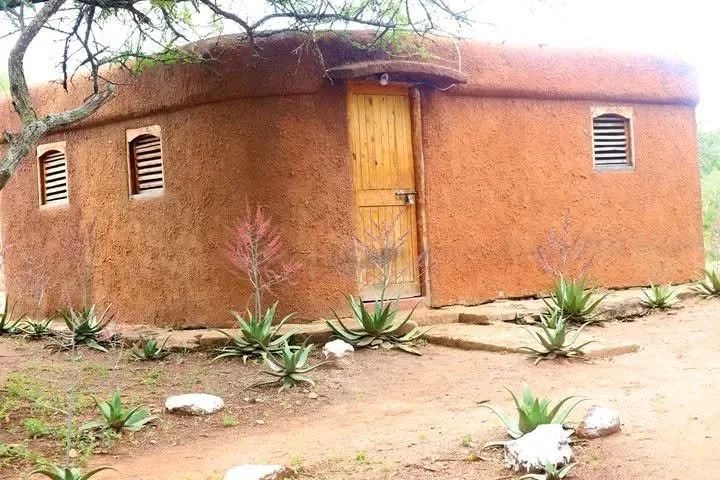
We'll stay two nights at the Twala Cultural Manyatta, a traditional Maasai homestead, hosted by a Maasai women's group that pioneered community-led conservation.
It's a real home, not a show, and the highlight of the trip for many travelers. Here's how to make the most of it.
Visiting a Maasai Community
While you're there
☐ Learn a greeting. "Supa" means hello and "Ashe oleng" means thank you very much. We'll practice together.
☐ Greet elders first, with a gentle handshake
☐ Join in if you're invited to sing or dance
☐ Accept the chai (sweet milk tea). It's a sign of welcome.
☐ Ask questions and slow down. The Maasai love to talk and share.
☐ Buy beadwork directly from the women, in Kenyan shillings
☐ Always ask before taking photos
☐ Expect simple facilities. It's part of the adventure!
Recommended reading
☐ How girls' education intersects with Maasai culture in Kenya
Brookings
☐ Engaging the custodians of tradition and culture
Brookings, on Maasai girls' education
☐ How can we make the shift from junior to senior secondary school smoother in Kenya?
UKFIET
☐ Explainer: What awaits Kenya's first Grade 10 learners in 2026
People Daily
☐ Maasai Architecture: Building Our Homes
Google Arts & Culture
☐ Only the Mountains Do Not Move
A Maasai story of culture and conservation, by Jan Reynolds (book)